
OPEN 7 DAYS
300+ 5
Reviews
LOW PRICES
.webp)

CALL US NOW ON :
Older homes require a more careful approach when planning gutter protection because ageing rooflines, original materials and past repairs can all affect how well the system performs. At Gutter Protection Solutions, older Hobart properties with heritage details, worn fascia boards, ageing gutters and established surrounding trees are carefully assessed before any upgrade is recommended. Before installing any gutter guard in Hobart, it is important to understand how the existing roof, gutter condition and local environment influence compatibility, water flow and long-term performance.
This article explores how roof age, gutter condition and surrounding vegetation affect the choice of gutter guard system. It also explains why heritage features and original materials require careful consideration, how older homes should be prepared before guards are fitted and what level of maintenance should still be expected after installation.
Gutters on older homes can look intact from the ground while hiding wear that affects performance, safety and installation suitability. Before any gutter guard is installed, the existing guttering, fascia, roof edge and downpipes should be assessed in more detail than would usually be needed for a newer property.
Age-related deterioration in fascia boards, brackets, fixings and gutter material can turn a simple guard installation into a larger repair if it is not identified early. A careful inspection helps confirm whether the gutters can support guards, whether water is currently flowing correctly and what should be repaired before any protective system is added.

Many older homes have original or older timber fascia boards and rafter ends. Years of moisture exposure can cause timber rot behind the gutters, which may not be visible until the gutter is lifted, cleaned or inspected closely. Installing guards over compromised timber can lock in the problem and lead to sagging gutters, water running behind the gutter or fixings that no longer hold properly.
Older metal gutters may also show more than surface wear. Rust can be worst at joints, brackets, laps and low points where water has sat for long periods. On painted gutters, bubbling, peeling or flaking paint can indicate corrosion underneath. If a guard system is added to a weakened gutter line, the extra load from trapped debris, heavy rain or wind pressure can accelerate failure.
Many heritage and older homes were built with gutter sizes and downpipe layouts that may no longer suit the property. Extensions, enclosed verandahs, roof additions or altered drainage paths may have been connected into the original system without increasing capacity.
A closer inspection should check:
If the system already overflows during moderate rain, adding gutter guards will not solve the issue. In some cases, guards can make overflow worse if the underlying drainage system is undersized, poorly pitched or already blocked. In older Hobart suburbs with mature trees, gutters may also sit beneath heavy canopy, which affects how leaves, bark, twigs and pine needles accumulate.
Older homes often include materials and details that need careful handling. Corrugated metal roofing, terracotta tiles, slate, older galvanised guttering, half-round profiles and decorative fascia details may not suit generic clip-on or screw-through guard systems.
Many older roofs also have connection points that differ from modern installations. An inspection should confirm:
Guard systems that require drilling into roofing, lifting fragile tiles or disturbing original materials may not be suitable. A detailed evaluation helps determine which guard styles can be installed without creating leaks, damaging roof edges or compromising the character of the home.
Roof material and overall roof condition influence which gutter guard systems are suitable, how they can be attached and how long they are likely to perform. In older homes, the wrong match between roof type and guard design can lead to leaks, tile damage, trapped debris or unnecessary strain on the guttering.
Some roof types allow straightforward installation, while others need specialised brackets or non-invasive fixing methods. The aim is to protect the gutters without lifting fragile roofing, puncturing waterproof layers or putting pressure on an ageing roof edge.
Older Hobart homes may have a mix of roofing materials, including corrugated metal, Colorbond replacement roofing, terracotta tiles, concrete tiles, slate or other period-style roof coverings. Each material needs to be treated differently when gutter protection is being planned.
Metal roofs require careful attention because fasteners driven through the wrong part of the roof can create leak paths. In many cases, gutter guards should attach to the gutter itself or use a system designed to work with the roof profile without unnecessary penetrations. Steeper metal roofs can also shed water and debris quickly, so the guard needs enough strength and flow capacity to handle heavy rain.
Terracotta and concrete tile roofs can be more fragile at the edges, especially on older homes where tiles may already be weathered. Any system that requires lifting, forcing or anchoring through tiles can increase the risk of cracking. Non-invasive options that connect to the gutter body are often safer, particularly where tiles are brittle or difficult to replace.
Slate and heritage roof coverings need even more care. Individual pieces can be expensive to repair and may be part of the property’s original character. Guard systems used on these homes should be chosen for minimal visual impact and minimal disturbance to the roof edge.
In older homes, the condition of the roof often matters more than the roofing material itself. Installing gutter guards on a roof near the end of its service life can be a poor investment, as the guards may need to be removed and reinstalled when the roof is repaired or replaced.
Cracked tiles, loose flashing, corroded roof edges, failing bedding or degraded metal sheets should be addressed before guards are fitted. Sagging eaves, rotted fascia boards and loose gutter brackets also need attention because gutter guards add some extra weight and can catch wind pressure during storms.
The structure behind the gutter must be sound. If the fascia or rafter ends are weakened, the gutter may pull away from the home once guards, debris and heavy rainfall add stress to the system. Secure fixing into stable materials is essential for reliable long-term performance.
Roof pitch and overhang affect how water enters the gutter and which guard design will work best. Steeper roofs send water into the gutter at higher speed, especially during heavy rain. Low-profile covers that rely on slow water flow may overshoot in these conditions, while stronger mesh or perforated systems with good flow capacity may perform better.
Short eaves or older roof edges can also allow water to track behind the gutter if the guard changes the way water leaves the roof. The relationship between the roof edge, flashing, gutter and guard must be checked so water flows cleanly into the gutter rather than back onto the fascia or wall.
Gutter guards only work properly when the drainage system beneath them is already functioning. If gutters, downpipes or stormwater connections are struggling to move water away from the home, adding guards will not fix the underlying problem. In older homes, these issues are often hidden until heavy rain exposes them.
Addressing drainage problems first protects the roof, walls, fascia and footings from avoidable moisture damage. It also ensures the gutter guards can do their intended job rather than masking a system that is already failing.
Gutter guards are designed to reduce leaf and debris build-up in a working gutter system. They are not designed to compensate for poor fall, undersized downpipes or blocked stormwater drains. When these issues are ignored, water still has nowhere to go, even if the gutters remain clearer.
Common pre-existing problems include:
If guards are installed over gutters that already hold water, moisture can sit against the guard frame, roof edge and gutter surface for longer than it should. This increases the risk of corrosion, staining and water tracking back towards the fascia.
Older homes may have more moisture-sensitive materials, including older timber framing, porous brickwork, ageing mortar and shallower footings. Repeated wetting from overflowing gutters or poorly discharged downpipes can cause problems beyond the roofline.
When downpipes discharge too close to the home or into blocked stormwater lines, water can pool around the base of the building. Over time, this can soften surrounding soil, contribute to movement and increase the risk of cracking or damp issues.
Installing gutter guards without correcting these drainage problems can create a false sense of security. The gutters may look tidier from above, but water can still be causing damage around the eaves, walls and ground level.
Tree coverage around an older home is one of the most important factors in selecting an effective gutter guard system. The type of trees, density of canopy and distance between branches and the roof all influence what kind of debris reaches the gutters and how often maintenance will be needed.
A careful look at the trees around the property helps match the gutter guard design to the real conditions on the roof. This is especially important for older homes where gutters, fascia and roof edges may already be carrying age-related wear.
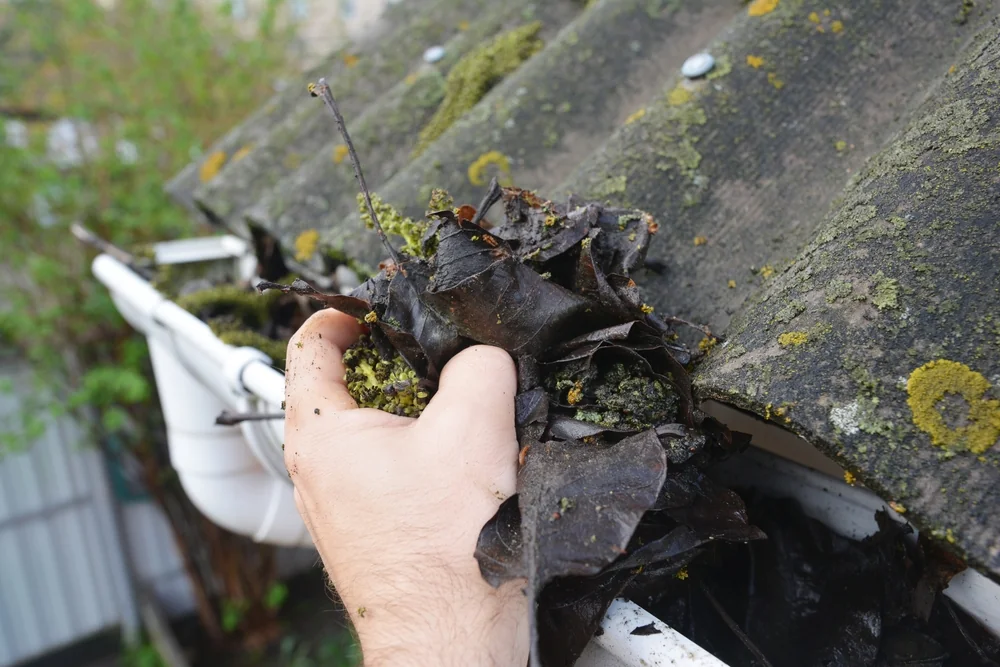
Different trees create different gutter problems. Larger leaves, fine needles, bark strips, twigs, seed pods and blossom can all behave differently on different guard styles.
Eucalypts and gum trees often drop long leaves, bark, small twigs and seed capsules. This type of debris can sit across open screens or collect in corners and valleys. Fine mesh systems can help stop smaller material entering the gutter, but the surface still needs to be accessible for periodic clearing.
Pine trees create a different challenge. Pine needles can slide through larger perforations and wedge into standard screens. A fine, rigid micro-mesh system is often better suited to these conditions because it blocks narrow needles more effectively than wider-opening guards.
Deciduous trees can drop large seasonal leaf loads. Where broad leaves are the main issue, guards with a smooth surface or fine mesh can reduce the amount of material entering the gutter and make surface clearing easier.
In mixed tree environments, a durable micro-mesh system is often the safest compromise because it can handle a broader range of debris types without relying on large openings.
The density of the tree canopy affects how quickly debris builds up. A few trees set back from the roof may only create moderate seasonal maintenance needs. Heavy canopy directly over the roof is different, particularly in areas exposed to wind, shade and damp conditions.
Even good gutter guards still need some maintenance in heavy tree zones. The right system reduces how often gutters need attention and how difficult that maintenance is. Smooth, well-supported guard surfaces are often easier to clear than deep screen-style products that trap debris across the top.
Branches hanging directly over older roofs increase both debris levels and physical risk. Larger twigs and wind-blown branches can dent, loosen or dislodge weaker guard systems. Older fascia boards and gutter brackets may already be weakened by moisture, corrosion or past repairs, so a stronger and more secure guard system may be needed.
Trimming back branches before installing gutter guards can improve performance. Reducing direct overhang lowers debris load, limits shade-related moss and algae growth and reduces the chance of branches damaging the guards or pulling on older guttering during windy weather.
Heritage and period-style homes rely heavily on authentic rooflines, trim profiles and traditional materials for their character. Any modern addition, including gutter guards, should control debris without drawing attention or clashing with original details.
Discreet installation is possible when product choice, colour, finish and fixing method are considered carefully. The goal is to maintain the visual rhythm of the roof, fascia and gutters while quietly improving gutter performance.
Mesh systems that follow the roof pitch often blend more naturally than bulky guards that sit high above the gutter. Fine, powder-coated mesh can appear as a shadow line from the street rather than a separate feature. Slim metal grilles may also work well if they do not sit proud of the gutter edge.
Brush inserts and bulky plastic clip-on covers can look obvious on traditional homes, especially on single-storey properties, verandahs or visible street-facing rooflines. On period-style half-round or decorative gutters, the guard should suit the existing profile rather than forcing a square or oversized shape onto a traditional gutter.
Where original tiles, slate or decorative roofing details are fragile, the fixing method is just as important as appearance. Any system that distorts roof materials, lifts tiles or interferes with original profiles can stand out visually and may create performance issues.
Colour has a major effect on how visible gutter guards are. A well-matched colour can help the guard disappear into the roofline, while a poor match can highlight the full length of the gutter.
The guard should usually match either the roof or gutter colour, depending on how the roof is viewed. On steeper roofs, a roof-matched mesh often blends into the roof plane. On low-pitch roofs or verandahs viewed from above, matching the gutter may be less noticeable.
Matte or low-sheen finishes are generally better for heritage and period-style homes. Glossy metal or bright plastic can reflect light and make the guard more obvious. Where the home uses a traditional colour palette, muted tones are usually more appropriate than bright modern finishes.
Older homes often have gutters and fascia that look serviceable from the ground but reveal problems once they are inspected closely. Gutter guards add weight, change how debris collects and affect how water enters the gutter. Any weak sections should be repaired or replaced before installation to avoid leaks, sagging or damage to the roofline.
A careful inspection before committing to guards protects both the home and the investment in the product. Several conditions indicate that installation should wait until underlying issues are corrected.
Gutter guards rely on a stable base. If the gutter, fascia or brackets are compromised, guards can worsen the problem rather than protect the home.
The fascia board behind the gutter is often the hidden weak point. Timber rot, insect damage, delamination or long-term moisture exposure can prevent fixings from holding securely. Installing guards in this situation can lead to gutters pulling away from the house, especially during heavy rain or when debris gathers on top of the guard.
Any soft, crumbling, warped or visibly damaged fascia should be repaired or replaced before guards are considered. Rusted gutter sections, loose brackets and failing joints should also be corrected first.
Gutter guards interact directly with the roof edge. On older roofs, minor defects can become leaks once new hardware, mesh or panels are added.
Repairs should come before installation when:
If major roof repairs or replacement are likely in the near future, it is usually better to complete that work first and then install gutter guards. Otherwise, the guards may need to be removed and refitted, adding unnecessary cost.
Many older homes have gutters with minimal or inconsistent fall. Gutter guards do not correct poor drainage and can make existing issues more noticeable.
Repairs or redesign may be needed before guards are fitted if:
Correcting these issues may involve rehanging sections, adding brackets, improving fall, installing additional downpipes or replacing undersized guttering. Addressing the drainage system first gives the gutter guards a proper foundation to work from.
Choosing gutter guards for an older home is not just a matter of selecting a product that keeps leaves out of the gutters. It requires a closer look at the roof condition, fascia strength, existing drainage, surrounding trees and the architectural details that give the property its character.
By assessing these factors before installation, homeowners can reduce water damage risks, protect ageing rooflines and choose a system that works with the home rather than against it. With the right approach, older homes can gain reliable gutter protection while still preserving the features that make them distinctive.
