
OPEN 7 DAYS
300+ 5
Reviews
LOW PRICES
.webp)

CALL US NOW ON :
Keeping water flowing safely away from your property at Hobart takes more than just installing a quality system and forgetting about it. Regular care for your gutter guard in Hobart plays a big role in protecting your roof edges or walls and foundations from long-term damage caused by overflow and hidden blockages. Our experts at Gutter Protection Solutions know how simple maintenance habits can extend the life of a system and prevent avoidable repair costs.
Over time, leaves or dust or seeds and even moisture all build up in ways that are not always easy to spot from the ground. Small issues can quietly turn into larger problems during heavy rain if they are left unchecked. A clear routine and a bit of know-how help homeowners stay ahead of trouble and keep everything working smoothly across every season.
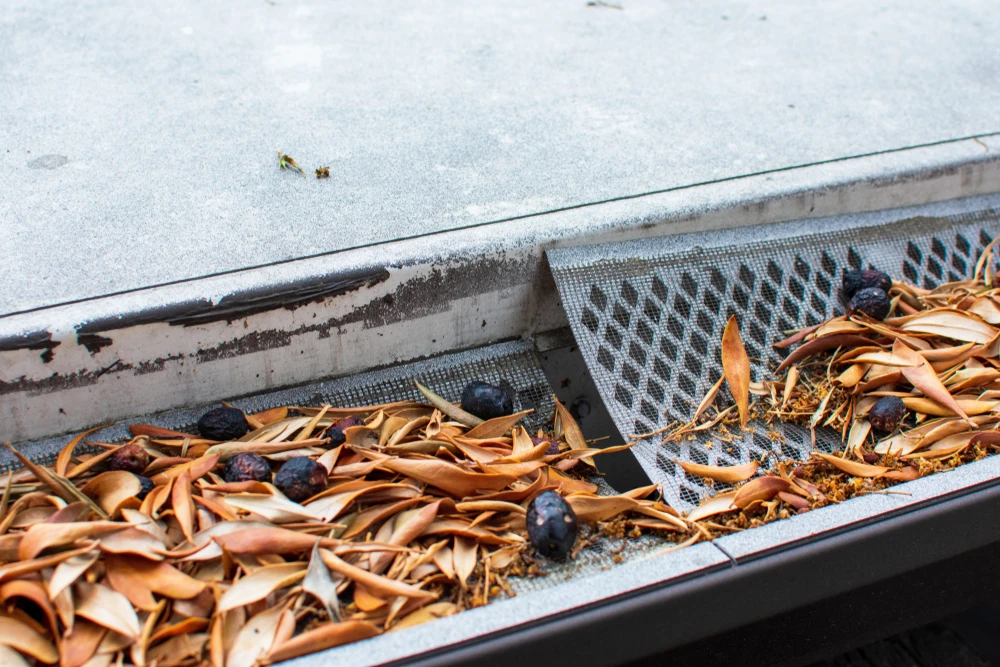
Regular inspections are one of the easiest ways to avoid unexpected issues during heavy rainfall. A quick check helps identify early warning signs before water starts spilling over or backing up into places it should not be. Many problems develop slowly, so spotting changes early makes maintenance simpler and less costly. A consistent inspection routine also gives peace of mind that the system is doing its job properly.
Debris collecting on top of the system often points to airflow or drainage issues that need attention. While some surface build-up is normal, excessive layers can reduce performance over time. Watching how quickly debris clears after wind or rain helps reveal underlying problems.
Water behaviour during rainfall tells a clear story about system health. Overflow or steady dripping usually means water cannot move through fast enough. These signs are easier to notice during moderate rain rather than heavy downpours.
The physical alignment of the system matters just as much as cleanliness. Weight from trapped debris and water can slowly pull sections out of position. Early movement is often subtle but becomes worse over time.
Cleaning does not need to be complicated or time-consuming when done regularly. Using the right tools and methods keeps the system clear without causing damage. Homeowners who stay on top of basic cleaning often avoid more serious problems later on. A practical approach focused on safety and consistency delivers the best results.
Personal safety should always come first when doing any work at height. Choosing the right time and equipment reduces risk and makes the task easier. Simple steps taken before starting can prevent accidents and damage.
Some situations call for trained support rather than DIY efforts. Complex issues or hard-to-reach areas are best handled by experienced technicians. Knowing when to step back helps avoid injury and further damage.
The right tools save time and reduce strain during routine care. Many affordable options are designed specifically for safe maintenance. Having them on hand encourages more regular upkeep.
Consistent maintenance keeps water moving where it should and protects your home from avoidable damage. Simple inspections and regular cleaning reduce stress during heavy rain and help systems last longer. Small efforts spread throughout the year are far easier than dealing with major repairs later. Staying proactive makes a noticeable difference in performance and reliability.
Gutter Protection Solutions believes that clear systems support safer homes and fewer surprises. Taking the time to inspect and clean to address issues early helps homeowners protect their investment with confidence. A steady routine paired with professional support when needed keeps everything working as intended year-round.
