
OPEN 7 DAYS
300+ 5
Reviews
LOW PRICES
.webp)

CALL US NOW ON :
Gutter guards protect rainwater tank quality in Tasmania by stopping leaves, pests and fine roof debris from entering your gutters and flowing into your tank water supply.
If you’re a Tasmanian homeowner, rural property owner, or anyone relying on tank water for drinking, cooking, bathing, or everyday household use, this is for you. Rainwater tanks are not just “a container out the back”. They’re part of a complete water system, and when that system is compromised at the roofline, the water quality inside the tank will eventually reflect it.
At Gutter Protection Solutions, we often inspect rainwater harvesting systems where the tank and pump are in good condition, but the roof and gutters are quietly undoing the whole setup. That is why choosing the right gutter guard in Tasmania is one of the most effective long-term upgrades you can make, particularly with our heavy leaf fall, coastal weather exposure, moss growth in shaded gutters and fine debris that builds up between rains.
In this article, I’ll walk you through how gutter guards protect tank water quality, how they reduce first-flush contamination and long-term sediment build-up, and what to look for when selecting gutter protection suited to Tasmanian roof types and conditions.
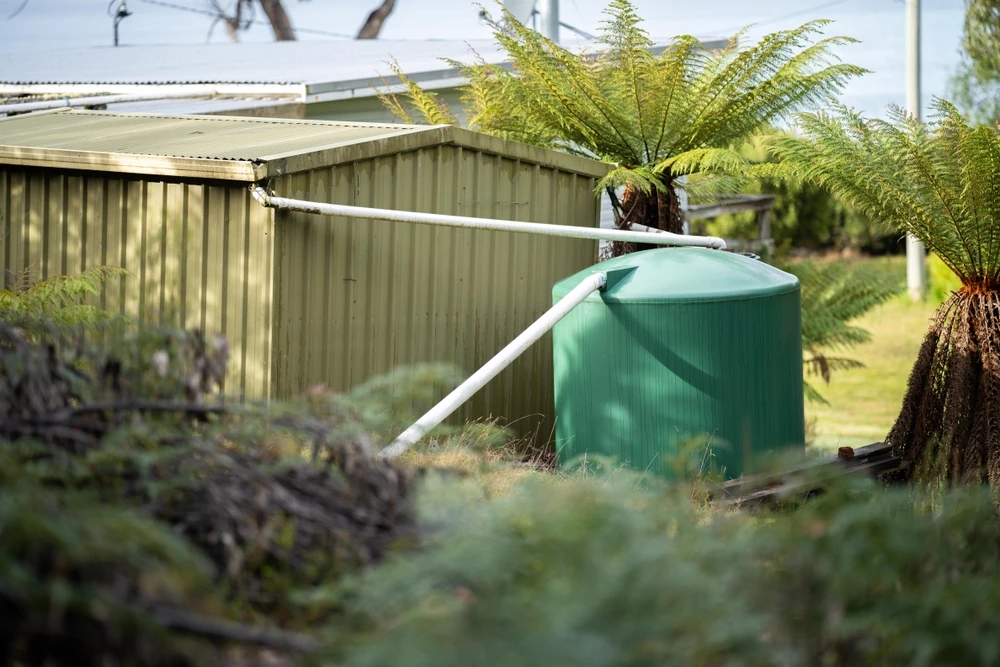
Many people think rainwater quality problems “start in the tank,” but in most cases, the tank is only receiving what the roof and gutters deliver. If the roof catchment is constantly dropping organic debris into the gutter line, that debris becomes the starting point for staining, sludge, odours and microbial growth. The difference between clean tank water and water that constantly needs treatment or filtration often comes down to roofline protection.
A properly designed gutter guard works like a pre-filter. It reduces the amount of decomposing organic matter sitting inside gutters and blocks common contaminants before they ever reach downpipes. In other words, it protects the tank by keeping the catchment cleaner.
The biggest advantage is that it prevents the “gutter compost effect”, where damp leaf material breaks down into sludge, then gets washed into the tank in storms. That sludge layer becomes a long-term problem because it doesn’t just sit there harmlessly. It slowly affects water smell, clarity and the effectiveness of your filter system.
Tasmania has a unique combination of vegetation and weather patterns that makes gutters harder to keep clean than many people expect. Even in suburban areas, roofs can be exposed to gum leaves, seed pods, blossom, bark fragments and windblown dust. In rural areas or bushland settings, gutters can fill rapidly, sometimes after only a few windy days.
When gutters are unprotected, debris tends to gather in the places where water naturally slows down:
This debris doesn’t stay dry in Tasmania. It often remains damp, particularly in shaded rooflines or during periods of frequent light rain. That moisture accelerates decomposition and creates organic sludge.
Over time, this leads to predictable problems in tank water:
A correctly installed gutter guard stops most debris at the point of entry. Leaves and larger organic matter stay on top of the mesh, dry out and blow away. This is one of the most overlooked benefits. Instead of allowing debris to sit inside the gutter channel where it breaks down, the system keeps that material out of the wet zone entirely.
A good rainwater harvesting system should always consider the “first flush”. The first rainfall after a dry spell washes accumulated contamination from the roof surface, and that contamination is usually at its worst after:
This first flush commonly carries fine pollutants: pollen, dust, insect debris, bird droppings and ash residue. Without control measures, these contaminants wash into the tank and settle at the bottom as sediment.
First-flush diverters play an important role here, but their performance depends on what reaches them. If a gutter is already packed with decomposing leaf matter, the first flush becomes far more contaminated than it needs to be. That increases the load on diverters and makes them clog more easily.
A gutter guard reduces the contamination load before it reaches the downpipe. That means the first flush system has fewer solids to deal with, which improves overall system performance. Over time, that results in:
For homes using tank water for drinking and indoor use, this reduction is particularly valuable because it supports safer water handling. It does not replace filtration or treatment where required, but it drastically improves the source water going into the tank.
Water quality and system reliability go hand in hand. A rainwater system is not only about collecting water; it’s about collecting water consistently.
One of the biggest issues with unprotected gutters is that debris blocks downpipe entry points. When rain hits, water begins to back up behind the debris dam and then overflows the front edge of the gutter. That overflow causes multiple problems at once:
In Tasmania, where rainfall can be frequent but inconsistent, missing collection opportunities matters. Some households experience shortages even in wet seasons simply because too much rainfall is spilling over instead of entering the tank system.
A gutter guard helps maintain consistent flow paths by keeping debris out and limiting build-up at downpipe openings. Instead of turbulent surges caused by blockages breaking loose, inflow tends to be steadier. A steadier inflow also reduces internal disturbance at tank entry points, meaning sediment at the bottom is less likely to be stirred up.
Choosing the right gutter guard for Tasmania is not just a question of “will it block leaves”? Mesh type affects how water enters your gutters, how debris sheds from the roofline and how long the product lasts under local exposure conditions.
Tasmania has three major factors that influence mesh selection:
If your rainwater is used for drinking or household use, the mesh effectively becomes part of your water hygiene strategy. That means the product and installation should be chosen with more care than general gutter protection.
Roof profile is a major factor in performance. Even high-quality mesh can fail if it isn’t integrated correctly into the roofline.
Tile roofs require mesh that can be shaped into valleys and maintain natural water pathways. The key issue with tiles is that they create uneven contours. Poorly fitted systems leave gaps where debris enters, or they disrupt water flow and cause splashback, which can push dirty water under the guard edges.
For tile roofs feeding tanks, fine apertures matter because tile roofs can contribute:
A fine, high-flow mesh helps reduce those contaminants before they can enter the gutter.
Metal roofs (including corrugated and Trimdeck/Colorbond styles) behave differently. These roofs shed water quickly and rely on smooth sheet flow. The mesh needs to sit neatly across ribs, remain tensioned and resist wind movement. On tank systems, this matters because poor fitment can create debris traps that stay damp, encouraging both contamination and corrosion.
Where tanks supply household use, the long-term reliability of the mesh and fixings becomes essential. Cheap materials break down and can contaminate water through corrosion products and staining.
Tasmania’s bushland properties are particularly hard on rainwater catchments. Gutter systems here deal with continual organic input from gums, bark shedding and fine debris that can slide into small gaps.
A key issue is not only what enters the gutter, but also what stays there. When organic matter remains inside gutters, it slowly breaks down and leaches tannins and nutrients into every rainfall event. That keeps the tank “dirty” even when it rains often, because each rainfall brings a fresh load of contaminants.
Fine mesh is valuable in these areas because it forms a continuous barrier and sheds organic matter away from the gutter channel. This prevents the gutter compost effect and helps keep gutters drier between rains.
Tasmania’s coastlines are beautiful but corrosive. Salt-laden air accelerates breakdown in metals and fixings. A guard system might look good in the first year, but without suitable coatings and compatible fixings, corrosion can take hold quickly.
Coastal systems need to handle wind uplift, horizontal rain and continual salt exposure. The guard should be mechanically fixed properly, not simply clipped in lightly. When systems lift or flex, debris enters underneath and performance drops sharply.
Rural properties bring different stresses: heavier debris loads, longer maintenance intervals and higher fire risks. Gutters full of leaf litter become ember traps in dry conditions. A non-combustible mesh system helps reduce fuel accumulation in gutter lines while also limiting ash and burnt debris from entering tank water.
In Tasmania, rainwater harvesting success depends on what happens at the roofline. If debris, pests and organic build-up are allowed into gutters, they will eventually compromise tank water quality through staining, odours, sediment accumulation and increased strain on filters and pumps. Clean water storage starts with clean collection.
A properly selected gutter guard system improves tank water quality by reducing leaf litter and sludge formation, supporting first-flush performance and keeping rainwater flowing consistently into downpipes during every rainfall event. If you’re serious about collecting cleaner tank water long-term, Gutter Protection Solutions can help you select and install the right gutter protection for your roof type, local exposure conditions and the way you use your rainwater supply.
