
OPEN 7 DAYS
300+ 5
Reviews
LOW PRICES
.webp)

CALL US NOW ON :
Bushfire seasons are becoming longer and more intense across Australia, placing homes under increasing risk from embers, radiant heat and airborne debris. One of the most overlooked yet critical areas of vulnerability is the roof and gutter system. In high-risk regions, a single build-up of dry leaves can provide enough fuel for embers to ignite a home. For homeowners researching a gutter guard in Tasmania, understanding how gutter protection fits into a broader bushfire defence strategy is essential. At Gutter Protection Solutions, we help property owners strengthen this first line of defence by reducing ignition points and improving roof safety in ember-prone environments.
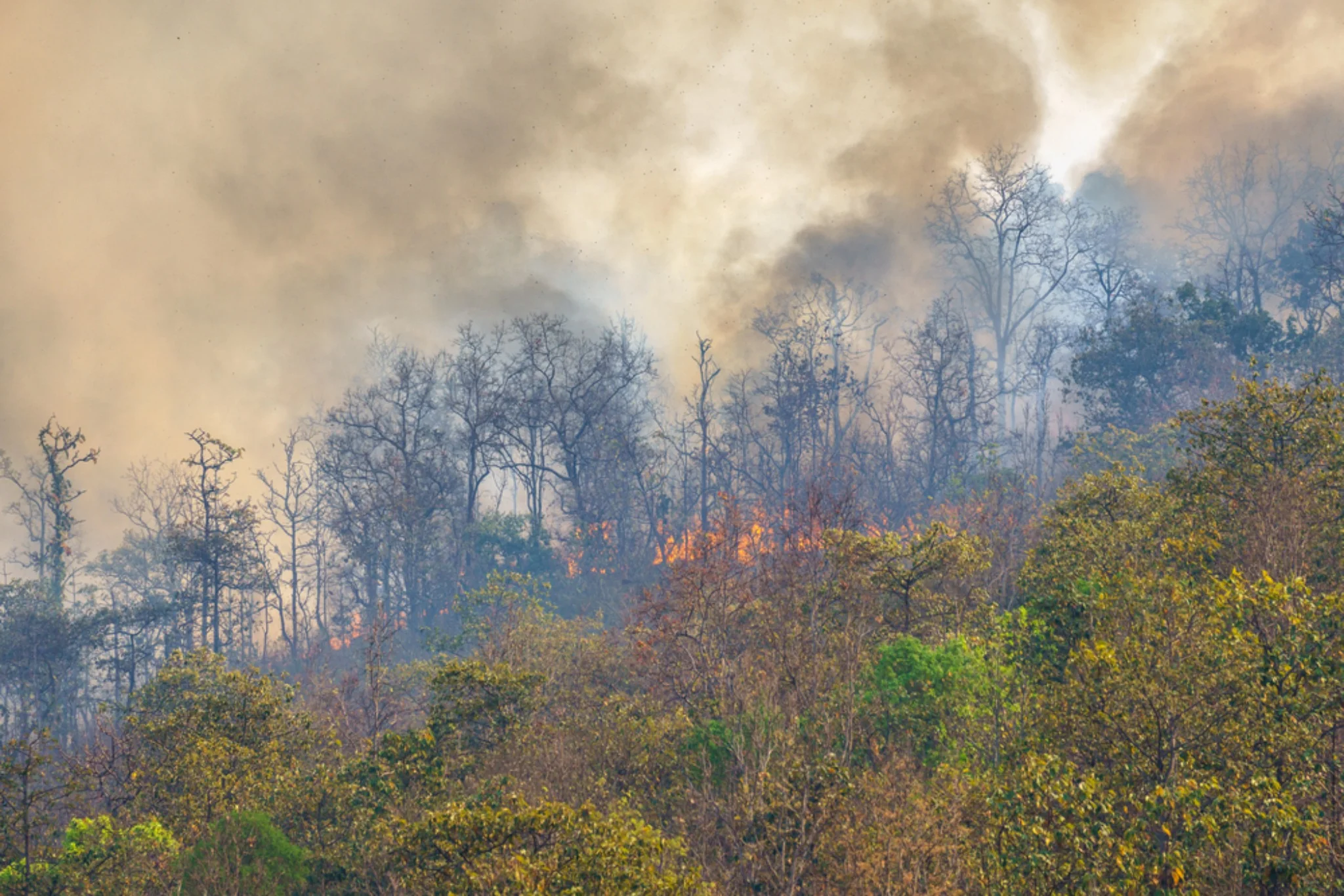
Bushfires rarely destroy homes through direct flame contact alone. In most cases, houses are lost when wind-driven embers land in vulnerable areas, smoulder unnoticed and ignite combustible material. Rooflines, gutters and eaves are among the most common failure points because they naturally collect debris and are difficult to monitor during extreme conditions. Understanding how and why these areas fail is the foundation of effective bushfire preparation.
During a bushfire, embers can travel kilometres ahead of the fire front. These glowing fragments are lifted by the wind and deposited onto roofs, into gutters and beneath tiles. Once lodged, embers often remain hidden within roof features long enough to bypass early detection and suppression efforts. Common ember entry points include:
Roofs act as catchment areas for airborne debris year-round. Without regular maintenance or protective systems, this build-up creates ignition-prone zones that are difficult to access, monitor or extinguish safely during extreme weather conditions. Once ignited, these areas allow fire to spread laterally across the roof structure. Typical problem areas include the following:
Roof design has a role in how embers behave once they land. Low-pitch roofs, complex layouts and multiple junctions increase the likelihood of debris accumulation and ember retention. Understanding these vulnerabilities helps homeowners prioritise protection measures. Higher-risk designs often feature:
While cleaning gutters and roofs is important, relying solely on maintenance is risky during bushfire season. Even well-maintained roofs can become vulnerable quickly, as debris accumulation and access restrictions often coincide with the very conditions that increase fire risk. Limitations of maintenance-only approaches include:
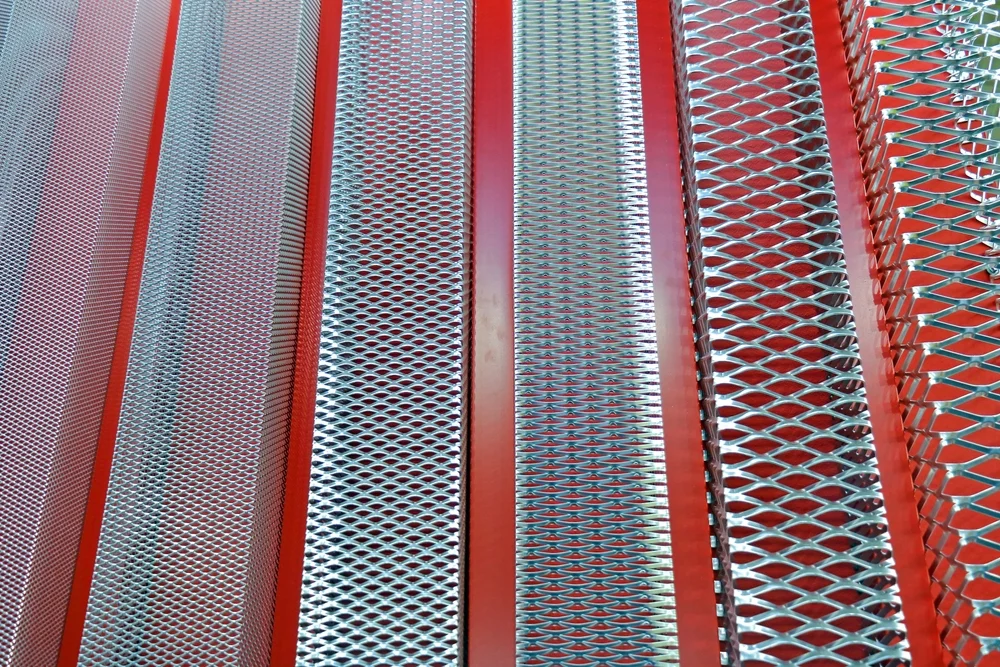
When it comes to bushfire protection, not all gutter guards are created equal. Many systems are designed purely for leaf control and general maintenance reduction, offering little to no resistance against ember attack. In bushfire-prone areas, however, gutter protection must perform a far more critical role: preventing burning embers from lodging in gutters and igniting roof structures. Mesh type, material quality, fixing method and compliance with recognised bushfire standards all determine whether a system provides genuine protection or simply creates a false sense of security. Selecting the right solution requires understanding how embers behave, how materials respond to heat and how installation quality impacts real-world performance.
The ability of a gutter guard to resist ember attack starts with the materials used. During a bushfire, gutters and roof edges are exposed not only to embers but also to radiant heat and strong winds. Inferior materials can deform, melt or detach under these conditions, creating immediate entry points for fire. Understanding which materials are suitable for bushfire environments helps homeowners avoid products that may perform well in mild conditions but fail when exposed to extreme heat. Bushfire-appropriate materials typically include:
While material choice is critical, the size of the mesh openings plays an equally important role in ember protection. Embers can be surprisingly small, and mesh designed only to block leaves may still allow glowing fragments to pass through and ignite debris below. In bushfire-prone areas, aperture size must be carefully selected to balance ember resistance with drainage efficiency. Effective ember-resistant mesh generally:
Homes located in designated bushfire-prone areas are assessed under the Bushfire Attack Level (BAL) system, which defines the level of ember exposure, radiant heat and flame contact a property may face. These ratings influence both new construction and retrofit requirements, including roof and gutter protection measures. Understanding how gutter guards fit within BAL expectations helps ensure compliance and reduces the risk of costly rectification later. The following are important considerations:
Even the highest-quality gutter guard materials can fail if installation is rushed or poorly executed. Small gaps, uneven alignment or loose fixings can allow embers to bypass the mesh entirely, rendering the system ineffective. In bushfire conditions, wind pressure and thermal movement place additional stress on roof-edge installations, making attention to detail essential. A proper installation should:
Roof designs vary widely, and gutter guards must be matched to the specific roof profile to perform effectively. Tile roofs, metal roofs, varying pitches and different gutter shapes all influence how a mesh system should be fitted. Generic or universal solutions often leave gaps or create drainage issues, particularly on complex rooflines. Custom-fit solutions ensure the mesh integrates seamlessly with the roof structure, improving both fire resistance and long-term durability. Compatibility considerations:
Bushfire-prone regions are often subject to more than just fire risk. Intense UV exposure, strong winds, salt air and heavy rainfall all place ongoing stress on roof-edge systems. A gutter guard that degrades may fail long before it is needed most. Long-term durability is therefore a key safety consideration, not just a maintenance concern. High-quality systems are designed to:
While gutter guards reduce fire risk, they are most effective when combined with broader bushfire preparedness measures. An ember attack exploits multiple vulnerabilities around a home, and addressing these collectively improves overall resilience. Supporting actions help reduce the likelihood of ignition and limit fire spread if embers do land. Here are some recommended actions:
Bushfire safety is about eliminating weak points before conditions turn extreme. Gutters and rooflines remain some of the most common and preventable ignition zones on residential properties. By understanding how embers behave, recognising roof vulnerabilities and choosing compliant, ember-resistant gutter protection, homeowners can reduce their risk. When combined with sound maintenance and broader property planning, properly selected gutter guards become a practical and reliable part of defending your home against bushfire threats. If you’re serious about protecting your home before the next fire season, speak with our team here at Gutter Protection Solutions for an expert assessment and a gutter protection solution designed to perform when it matters most.
