
OPEN 7 DAYS
300+ 5
Reviews
LOW PRICES
.webp)

CALL US NOW ON :
For homeowners looking to improve their gutter system, a common question is whether gutter guards can be installed on existing gutters or if the entire system needs replacing. Gutter Protection Solutions helps homeowners determine whether their current gutters are suitable for a retrofit based on their condition, design and layout.
Existing gutters can often accommodate guards without full replacement, provided they are structurally sound and drain correctly. However, issues such as sagging, corrosion, poor drainage or damaged fixings may need to be addressed before installation.
Understanding the available guard options, installation requirements, costs and ongoing maintenance can help homeowners decide whether adding gutter protection is a practical long-term solution for their property.
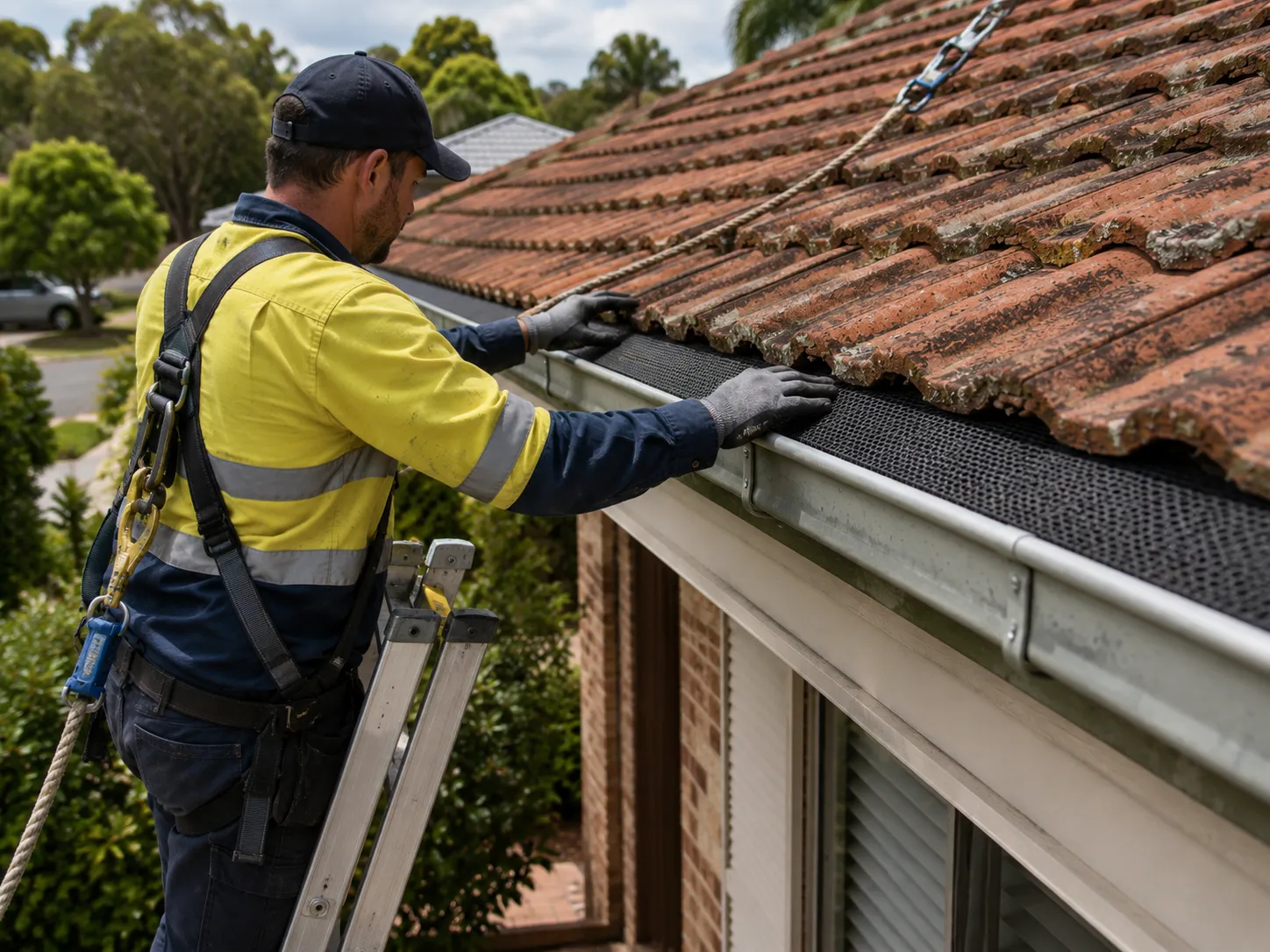
A professional installer checks whether the existing system is secure, correctly positioned and capable of handling water effectively. This helps identify problems that could affect the performance of the guards and determines whether repairs are needed beforehand.
The main areas checked include:
This assessment helps ensure the existing gutter system is suitable for a retrofit without using gutter guards to conceal structural or drainage problems.
Several types of gutter guards can be retrofitted to existing gutters without replacing the entire system. The most suitable option depends on the gutter profile, roof design, installation method and type of debris around the property. Understanding the different types of gutter guards can make it easier to compare their filtration, maintenance and installation requirements.
Here are some options:
The guard with the finest filtration is not necessarily the best choice. The existing gutter profile, roof edge, fixing points, debris levels and expected rainfall all need to be considered.
A suitable system should fit securely, allow sufficient water to enter the gutter and provide the level of debris protection appropriate for the property.
The right gutter guard depends on more than the gutter itself. Roof pitch, gutter size and condition, roofing material and surrounding vegetation can all affect how well a guard handles water and debris.
Steeper roofs can deliver water to the gutters more quickly during heavy rain, so the guard needs enough capacity to handle the flow without encouraging water to overshoot the gutter.
Roof pitch can also affect how guards are attached. Systems that require access beneath roofing materials may not suit every roof, making gutter-mounted options preferable in some situations.
The existing gutter profile and size determine which guards can be fitted securely. The mounting method also matters, as some guards attach to the gutter lip while others require brackets or additional fixings.
Gutters should be straight, properly sloped and securely attached before guards are installed. Sagging, rusted or damaged sections may need repair or replacement first.
Roofing materials and flashing can affect how a guard is installed at the roof edge. The system should be fitted without unnecessarily disturbing shingles, tiles or other roofing components.
Surrounding vegetation is also important. Homes exposed to large leaves may suit different guard designs from properties affected by fine needles, seeds or other small debris. Matching the guard to the site's conditions can reduce clogging and ongoing maintenance.
Gutter guards should only be installed once the existing gutter system is clean, secure and able to drain water properly. Installing guards over damaged or poorly aligned gutters can hide problems and allow leaks or overflow to continue.
Preparation involves four key steps:
Overhanging branches may also need trimming where they create an excessive debris load. Completing these checks provides a sound foundation for the new gutter protection system.
Gutter guards work best when existing gutters are structurally sound, properly pitched and able to handle the property's water flow. If gutters are badly sagging, heavily corroded, repeatedly leaking or pulling away from the fascia, adding guards may only hide the underlying problems. In these situations, gutter and downpipe replacement may be more practical than retrofitting protection.
Replacement may also be necessary when the existing system is poorly designed. Undersized gutters, incorrectly sloped or supported by inadequate downspouts, can continue to overflow even after guards are installed. Replacing the guttering and adding gutter guards at the same time can provide a more reliable long-term solution.
When the existing gutters are suitable, retrofitting gutter guards generally follows a straightforward process. Different gutter guard installation methods may be used depending on the guard design, gutter profile and roof edge.
The installer checks for damage, poor alignment, loose fixings and blockages. Any required repairs are completed before the gutters are cleaned and the downspouts flushed. Measurements are then taken to confirm the guard fits the gutter and roof edge correctly.
The attachment method depends on the guard style. Mesh and perforated guards may clip to the gutter lip or use corrosion-resistant fixings, while foam inserts sit inside the gutter. Some systems require additional support at the roof edge. The guard must be fitted securely without creating gaps or restricting water flow.
Corners, roof valleys and other complex areas are checked to ensure the guard provides continuous protection. The installer also checks alignment, fixings and potential gaps. Where appropriate, a water test can confirm that rainwater flows into the gutter rather than behind or over the guard.
The cost of installing gutter guards on existing gutters depends on the size and layout of the system, the type of guard selected and the condition of the existing gutters. A straightforward retrofit on clean, well-maintained gutters will require less labour than a project involving repairs or extensive preparation.
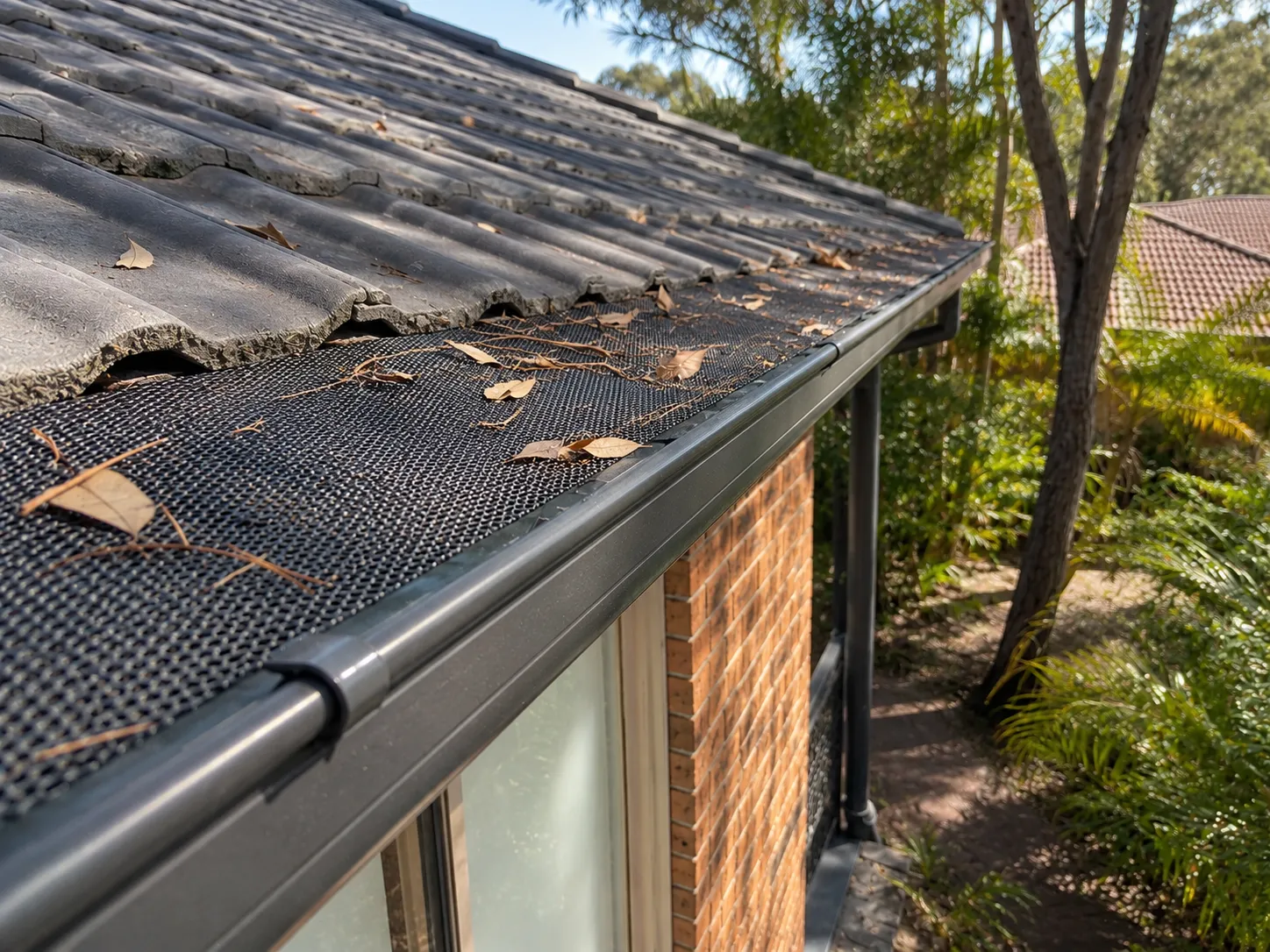
The main factors that can influence installation costs include:
Because each property is different, an on-site assessment provides a more useful indication of cost than relying on a standard price alone. It also allows the installer to identify any preparation work required before the guards are fitted.
Adding gutter guards to an existing gutter system can reduce maintenance and limit the amount of debris entering the gutters without the cost and disruption of a full replacement. However, their performance depends on the condition of the existing system, the guard selected and the property's surrounding environment.
Retrofitting gutter guards can reduce the frequency of gutter cleaning by keeping leaves, twigs and larger debris out of the system. This can be useful for homes surrounded by trees or properties where gutters are difficult to access safely.
Other potential benefits include:
Gutter guards do not make a gutter system completely maintenance-free. Fine debris, moss, seeds and leaves can still collect on top of some guards or around corners and downspout openings. Periodic inspection and cleaning may therefore still be necessary.
They also cannot fix problems. The guard must be matched to the roof, gutter profile, rainfall conditions and type of debris to maintain effective water flow.
Gutter guards can reduce the amount of debris entering the gutters, but they do not eliminate maintenance. Regular checks help keep the system working effectively and identify problems before they lead to more repairs. Regular maintenance can help keep leaves and debris out of gutters and maintain effective water flow through the roof drainage system.
Maintenance requirements depend on the type of guard, surrounding vegetation and local weather conditions. Homeowners should:
Regular maintenance helps preserve the performance of the gutter protection system and ensures small issues can be addressed before they contribute to water damage.
Adding gutter guards to existing gutters can be a practical way to reduce debris and maintenance when the current system is structurally sound, properly pitched and capable of handling the property's water flow. Assessing the gutters, roof design and surrounding conditions first helps ensure the selected system is suitable and avoids installing protection over underlying problems.
Gutter Protection Solutions can assess the existing system, identify any repairs or preparation required and recommend a suitable gutter protection solution. With the right installation and ongoing maintenance, homeowners can improve gutter performance without necessarily replacing a sound existing system.
